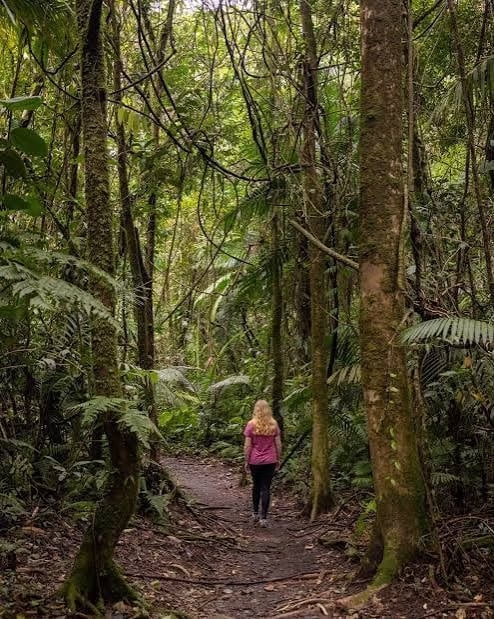
“Is Costa Rica safe to travel?” It is one of the questions we are asked most often. The answer is yes, with the precautions you would take in any foreign country. Travelers mostly face petty theft, and the main dangers are natural ones: ocean currents, driving at night, the heat. Here is what we tell our travelers, based on our experience on the ground.
The country is a stable democracy, without an army since 1948, and its people, the Ticos, are known for their warm welcome. As elsewhere in Latin America, crime has nevertheless risen in recent years, mainly linked to drug trafficking and concentrated in certain urban neighborhoods and in the province of Limón; it rarely targets travelers. Before you leave, read the Costa Rica page of your government’s travel advice service, which is updated regularly.
This is the most common problem. Leave nothing visible in the vehicle, even for a few minutes, in the parking lots of beaches, waterfalls or viewpoints. Keep your luggage in the trunk and your documents on you. Where there is a guarded parking lot, use it: the attendant expects a small tip. See our guide getting around Costa Rica.
In the capital, busy neighborhoods and sightseeing spots are safe during the day. In the evening, take an official taxi (red, with a yellow triangle on the door) or a ride-hailing app rather than walking, especially around bus terminals and in the poorly lit streets of the center. Most of our itineraries spend only one night in San José, often on arrival, in a quiet neighborhood or in the Central Valley. In Limón, the port city, stay on busy streets; the villages of Cahuita and Puerto Viejo, further south, welcome travelers without any particular difficulty.
Drowning is the leading cause of serious accidents among visitors. Many beaches, on both the Pacific and the Caribbean coasts, have strong rip currents (corrientes de resaca), and few have lifeguards.
Crocodiles live in rivers and estuaries, including the Tárcoles River and the Tamarindo estuary: never swim there. See our guide to Costa Rica’s beaches.
Driving is the second point to watch: winding roads, narrow lanes, pedestrians and animals on the roadside, afternoon rain. Avoid driving at night, which falls around 6 p.m. all year round, allow plenty of time for each drive, and never cross a flooded river. If you would rather not drive, our tours with a private driver-guide and our trips without a car are a good alternative. On a motorcycle, the same precautions apply: our motorcycle tours balance paved roads and dirt tracks according to your experience.
911 is the single emergency number: police, ambulance and fire service. Your embassy’s contact details are on your government’s website; note them down before you leave, along with your insurer’s assistance number. While you travel with us, our team is reachable on WhatsApp at +506 8327-9335.
Yes, with the usual precautions. The most common risks are theft from cars and ocean currents.
Yes. Many families and women travelers explore the country every year; see our family guide.
Yes, during the day and taking your time. Leave nothing in the car and avoid driving at night.


Learn more
Let’s talk about your trip
Your dates, your wishes, the pace that suits you: a travel consultant based in Costa Rica will suggest a tailor-made itinerary within 48 business hours.


