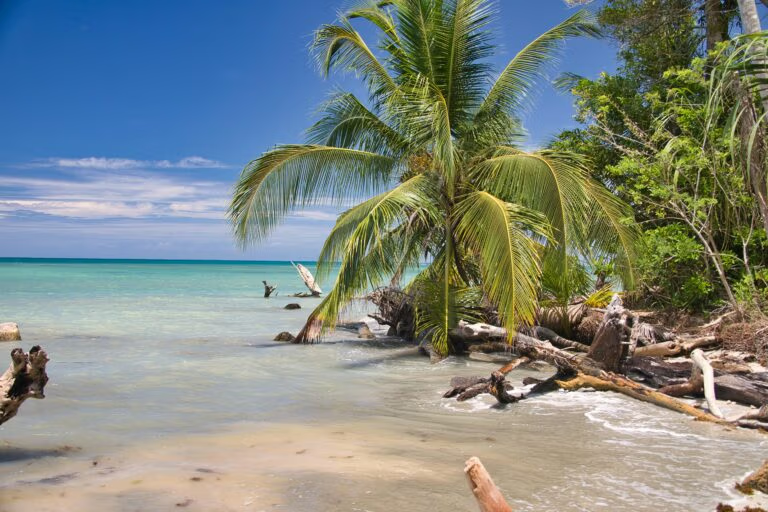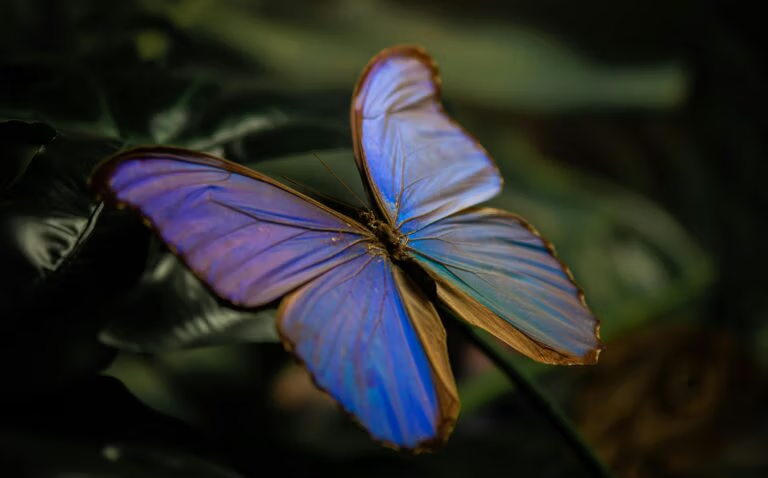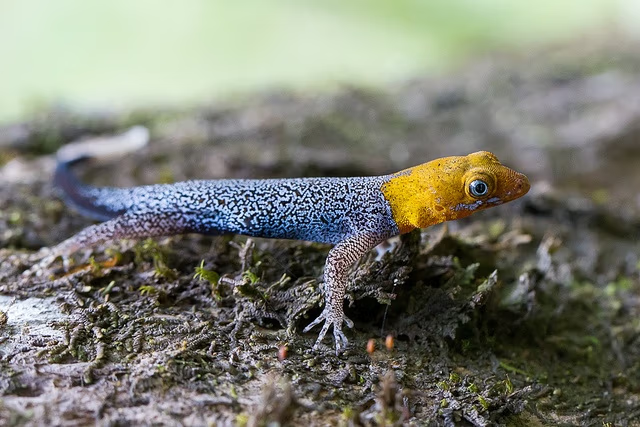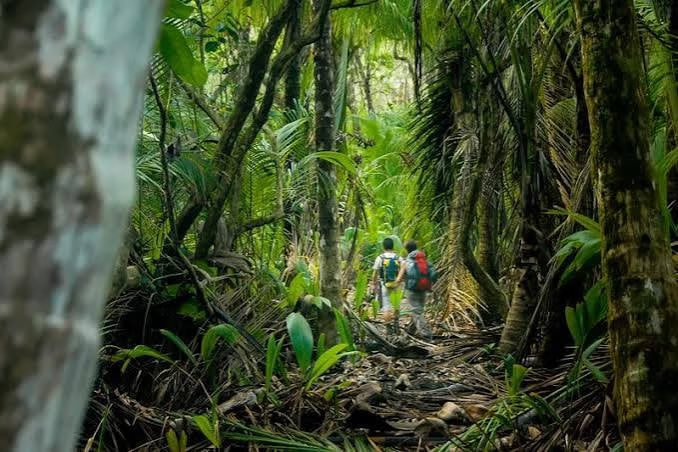
At the far end of the South Pacific, the rainforest comes down to deserted beaches, scarlet macaws fly calling over the treetops and, at night, the jungle never falls silent. The Osa Peninsula and its Corcovado National Park are often described as one of the most biodiverse places on the planet. A destination for travelers who accept some simplicity in exchange for untouched nature.
Created in 1975, the park protects the largest lowland tropical rainforest on the Pacific coast of Central America. It is home to Baird’s tapir, Costa Rica’s four monkey species, peccaries, scarlet macaws and, elusive, the jaguar and the puma.
Since 2014, every visit is made with a certified guide, and the number of visitors is limited. Entry is through several ranger stations, including San Pedrillo and Sirena (by boat from Drake Bay) or La Leona (from Carate, on the Puerto Jiménez side). Tours range from a day to several days, with a night at Sirena station, to be booked well in advance.
It is Central America’s largest land mammal. It often rests near rivers or in mud; guides know where to look for it.
Spider monkeys, howler monkeys, white-faced capuchins and squirrel monkeys live on the peninsula. The Central American squirrel monkey exists only on the southern Pacific coast of Costa Rica and Panama.
The jaguar and the puma are present, but very elusive. Sightings are rare; tracks and researchers’ camera traps confirm their presence.
In the northwest of the peninsula, Drake Bay hosts lodges scattered between forest and sea. You arrive by boat from Sierpe: a shuttle takes you to the port of Sierpe, then the boat goes down the river and along the coast to Drake, where your hotel awaits you on the beach. It is the base for northern Corcovado and Caño Island.
On the Golfo Dulce coast, Puerto Jiménez is the peninsula’s small town, with shops, guides and an airstrip. It gives access to the south of the peninsula and to Carate.
Off Drake Bay, this biological reserve is one of the best snorkeling and diving sites in the country: turtles, rays, reef sharks and schools of fish. Pre-Columbian stone spheres have also been found there. Tours leave from Drake.
From July to October, then from December to March, humpback whales frequent the waters of the peninsula and the Golfo Dulce. Dolphins can be seen all year.
An SUV is enough to reach Sierpe or Puerto Jiménez; the tracks beyond, toward Carate, are better traveled with local transport.
The peninsula is one of the rainiest regions in the country. From December to April, the dry season makes the trails easier; it is the period to favor for hiking in Corcovado. In September and October, the rains are heaviest. See our guide When to go.
Lodging ranges from simple lodges to comfortable lodges deep in the forest, often without road access and sometimes with limited electricity. Bring an effective repellent, light and covering clothes, hiking shoes that don’t mind water, a headlamp and a dry bag for boat transfers.
Three nights in Drake allow a day in Corcovado, a day at Caño Island and a night walk. Our tours passing through the peninsula are presented below.
Day trips from Drake are accessible to walkers in ordinary shape. Multi-day hikes require good physical condition.
It is very rare. Tapirs, monkeys, macaws and coatis, on the other hand, are often seen.
Yes for the high season and for nights at Sirena: places are limited.


Learn more
Let’s talk about your trip
Your dates, your wishes, the pace that suits you: a travel consultant based in Costa Rica will suggest a tailor-made itinerary within 48 business hours.