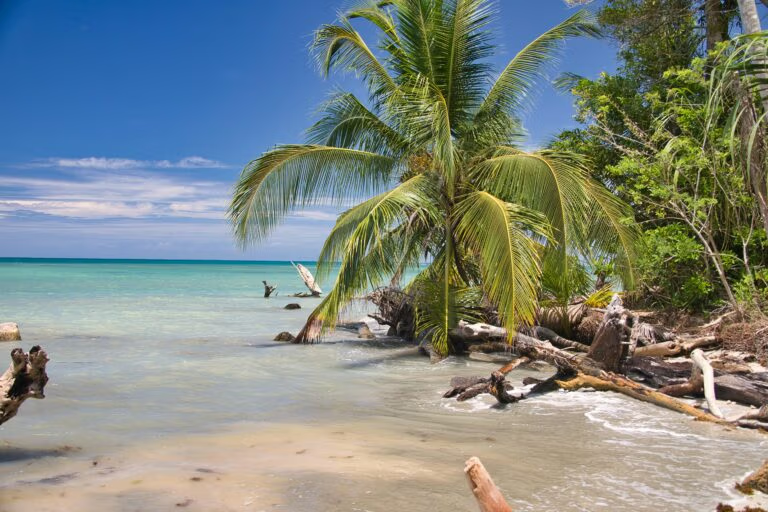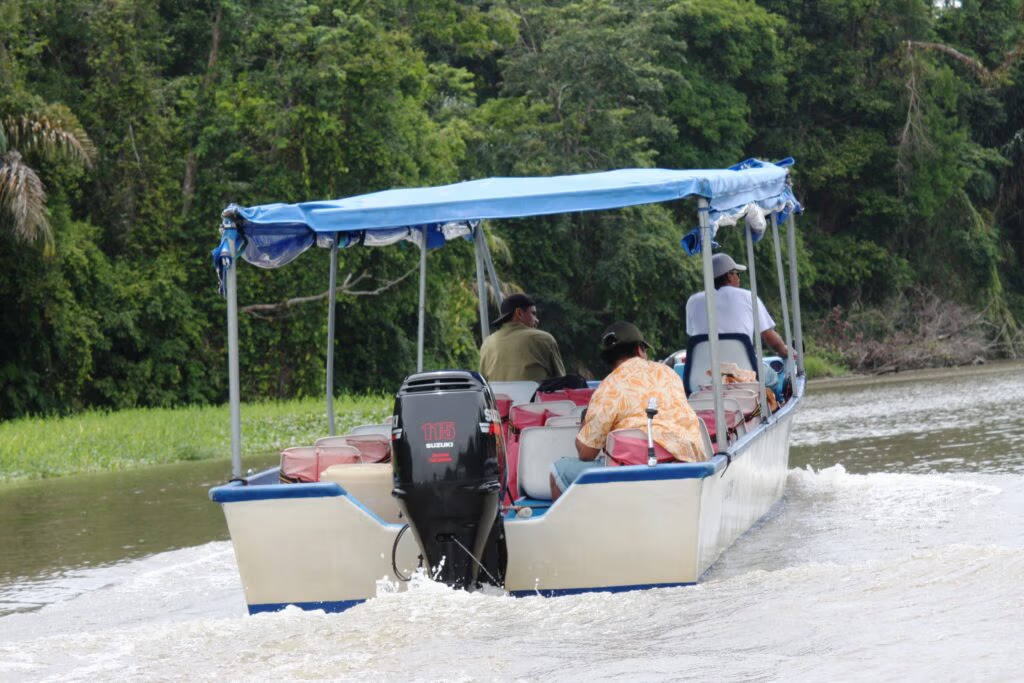
No road leads to Tortuguero. You arrive by boat, along canals lined with palm trees and flooded forest, or by small plane. This village on the northern Caribbean coast borders one of the most important green turtle nesting beaches in the Atlantic, and its canals are one of the best places in the country to watch wildlife from a boat.
Created in 1975, the park protects lowland rainforests, swamps, lagoons and a long beach. A network of natural and dug canals crosses it: you explore it by boat or kayak, with a guide.
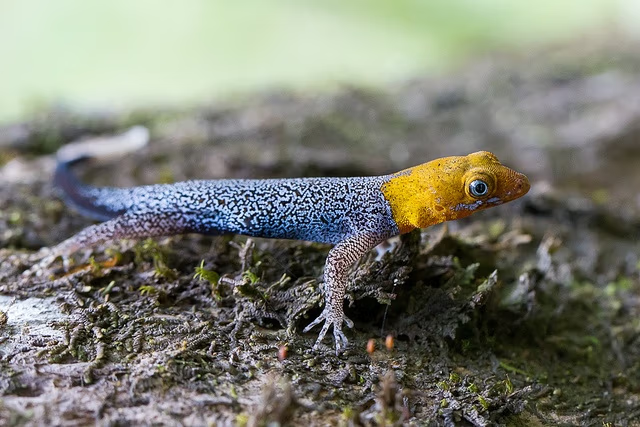
In the early morning, the banks come alive: caimans, iguanas, basilisks, howler and spider monkeys, sloths, toucans, kingfishers and herons. With luck, an otter or a manatee. A dawn boat trip with a naturalist guide is one of the highlights of the stop.
From July to October, green turtles come at night to lay their eggs on the beach where they were born. Leatherback and hawksbill turtles also visit the beach, at other times and in smaller numbers.
Night watching is strictly regulated: small groups, a mandatory certified guide, no lights or flash photography, distances respected. You wait in silence for the guide to give the signal. This framework protects the turtles; it also makes the moment more powerful.
The village is explored on foot: no cars, no roads. Colorful houses, small Caribbean restaurants (rice and beans in coconut milk, fish, plantains), a few shops and local guides. The atmosphere is simple and warm.
The journey is organized by the lodges: a vehicle picks you up at your hotel, then a boat takes over on the canals to Tortuguero. The trip on the water is already a first wildlife outing.
From the Caribbean coast or Sarapiquí, we organize a private shuttle to the boat landing, then the boat.
Small planes link San José to the Tortuguero airstrip. Faster, but you miss the trip up the canals.
On a self-drive tour, your car waits for you in a parking lot during your stay.
From July to October for green turtle nesting. The canals can be visited all year; the Caribbean coast receives rain in every season, with often more pleasant weather in September and October. A light rain jacket is always useful. See our guide When to go.
Lodges are in the village or along the canals, reachable by boat. Most offer packages including transport, meals and guided outings: the simplest way to stay in Tortuguero. We choose the lodge according to the comfort you want and the season.
Two nights is the usual length: a dawn boat trip, a walk in the village and, in season, turtle watching. A third night lets you add kayaking in the small canals and a visit to the turtle conservation center.
Turtle protection in Tortuguero began in the late 1950s, driven by biologist Archie Carr and the conservation organization he founded. The village, once focused on turtle hunting, now lives largely from ecotourism. Respecting the watching rules, choosing a local guide and committed lodging: that is the best way to contribute.
In peak season (July to October), the chances are good, but nothing is guaranteed: these are wild animals.
No: the sea is rough and the beach is not a swimming beach. Some lodges have a pool.
Light long-sleeved clothes, rain gear, repellent, a headlamp (switched off during turtle watching), a small bag for the boat.
Yes, it is even the simplest way: see our car-free formula.
Yes, children love the boat trips. For nesting, ask about the minimum age required by the guides.

Learn more
Let’s talk about your trip
Your dates, your wishes, the pace that suits you: a travel consultant based in Costa Rica will suggest a tailor-made itinerary within 48 business hours.