Walking in Costa Rica means passing in an hour from a cooled lava flow to a forest hung with vines, or emerging from the mist of a cloud forest to discover an entire valley. The country suits every kind of walker, from a family stroll on a well-kept trail to the ascent of its highest peak.
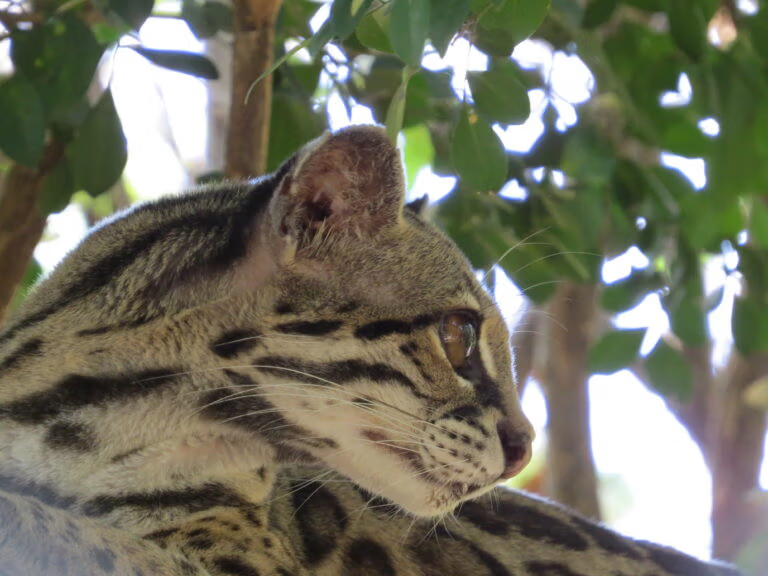
About a quarter of the territory is protected, and park and reserve trails are numerous and well maintained. Every walk is also a nature outing: monkeys, toucans, sloths, frogs and orchids often accompany the attentive walker. In a few days of travel, you move from a volcano to a cloud forest, then to a lowland rainforest.
At 3,821 meters, Chirripó is Costa Rica’s highest point. The ascent starts from San Gerardo de Rivas and takes two days, with a night at the Base Crestones refuge; the elevation gain exceeds 2,000 meters. On clear days, you can see the Pacific and the Caribbean Sea. Places at the refuge are limited and are booked well in advance. A hike for trained walkers.
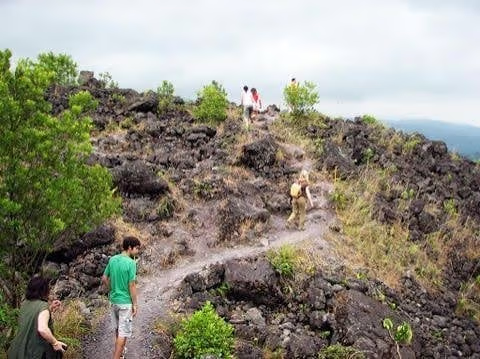
The national park trails cross old lava flows and regenerating forest, with views of the cone and the lake. Easy to moderate, they suit families. See our La Fortuna guide.
In Tenorio Volcano National Park, a forest trail leads to the Río Celeste waterfall, then to the spots where the water takes on its turquoise color. Allow half a day; the trail is sometimes muddy.
The Monteverde, Santa Elena and Curi-Cancha reserves offer marked trails of varying lengths, accessible to families. Setting off early with a guide increases your chances of seeing the quetzal. See our Monteverde guide.
The wildest hikes in the country are in Corcovado, always with a certified guide: on a day trip from Drake Bay, or over several days with a night at Sirena station. Heat, humidity and river crossings reserve them for walkers in good shape. See our Osa Peninsula guide.
About 1 h 30 to 2 h from San José, these two volcanoes are visited via short trails to viewpoints over their craters. Come in the morning, before the clouds, and check that the park is open: access depends on volcanic activity.
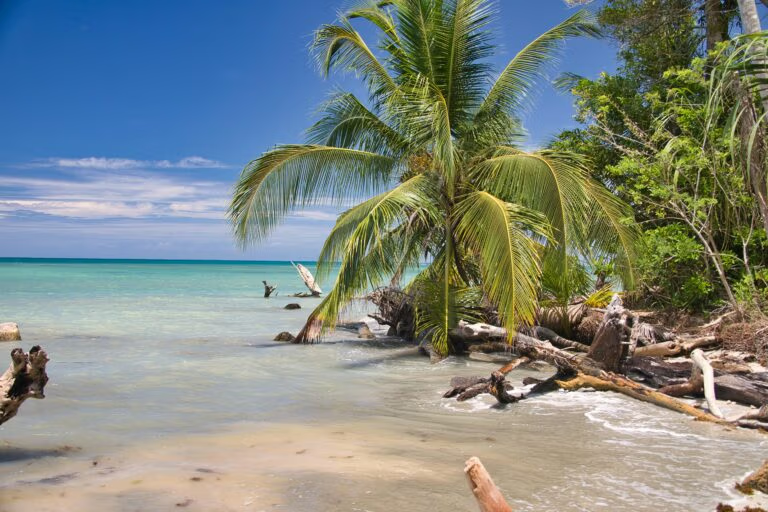
The park’s easy trails link the entrance to the beaches through a forest home to monkeys, sloths and iguanas. The park is closed on Tuesdays.
In Guanacaste, trails lead to fumaroles, bubbling mud pots and waterfalls, through the dry forest. The summit trail is often closed depending on the volcano’s activity. An SUV is enough to reach the park.
From December to April, the dry season offers drier trails and better visibility in the mountains. From May to November, the forest is greener and the waterfalls stronger, but some trails become slippery; September and October are the rainiest months on the Pacific side. See our guide When to go.
No: most park trails are easy to moderate. Only Chirripó and multi-day hikes in Corcovado require good training.
Yes: Arenal, Monteverde, Manuel Antonio and Cahuita have trails suited to children.
It is mandatory in Corcovado and recommended everywhere to observe wildlife.


Learn more
Let’s talk about your trip
Your dates, your wishes, the pace that suits you: a travel consultant based in Costa Rica will suggest a tailor-made itinerary within 48 business hours.