Costa Rica has nearly thirty national parks, from the volcanoes of the Central Valley to the forests of the southern Pacific. They are at the heart of most trips, but they are not all alike. Here are the ones we include most often in our itineraries, and how to visit them in good conditions.
Booking: several parks, including Manuel Antonio, limit visitor numbers and require online booking in advance. In high season, book as soon as your dates are set. For our travelers, we take care of it.
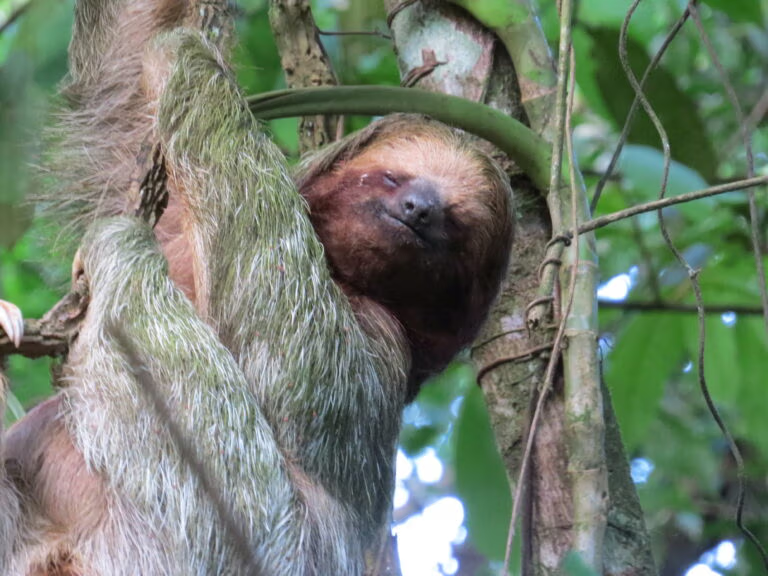
Reachable only by boat or small plane, Tortuguero protects a network of canals lined with flooded forest on the Caribbean coast. Caimans, monkeys, sloths, toucans and kingfishers can be watched from the boat. From July to October, green turtles come ashore at night to nest; watching them is allowed only with a certified guide. Allow two nights.
The country’s most visited park combines rainforest and sheltered beaches. Capuchin monkeys, howler monkeys, squirrel monkeys, sloths, raccoons and iguanas are often seen in a few hours of easy walking.
See our Manuel Antonio guide.
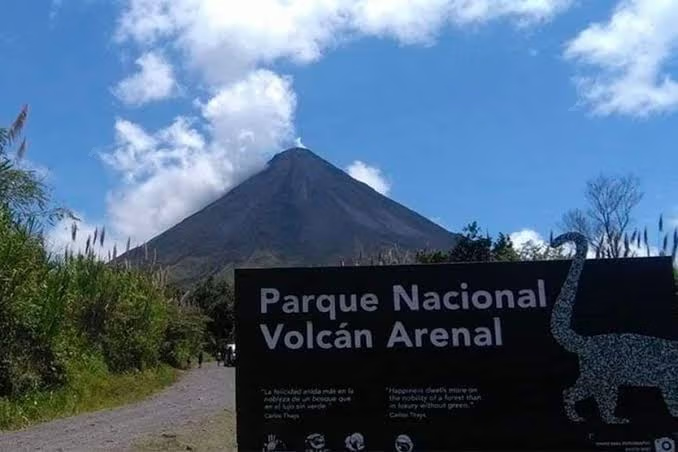
Arenal was very active from 1968 to 2010; today it is resting. The park’s trails cross old lava flows and a regenerating forest, with views of the cone on clear days. Around it, the La Fortuna area offers hot springs, a waterfall, hanging bridges and rafting. See our La Fortuna guide.
On the Osa Peninsula, Corcovado protects a vast lowland rainforest: tapirs, peccaries, scarlet macaws, four species of monkeys and, very discreet, jaguars and pumas. Visits must be made with a certified guide. The dry season, from December to April, makes the trails easier.
It is not a national park but a group of reserves, including the Monteverde Cloud Forest Biological Reserve. The cloud forest, covered in mosses, orchids and bromeliads, is home to the quetzal, easiest to see from February to May. Hanging bridges, a night walk and the Santa Elena reserve complete the stop. See our Monteverde guide.
At 3,821 meters (12,536 feet), Chirripó is the highest point in Costa Rica. The climb, from San Gerardo de Rivas, takes two days with a night in the mountain lodge; places are limited and booked well in advance. On a clear day, you can see both oceans. A hike for trained walkers.
About 1.5 hours from San José, Poás lets you look into a large crater holding an acid lake. Come in the morning, before the clouds. Access depends on volcanic activity: the park can close temporarily.
The country’s highest active volcano (3,432 meters, 11,260 feet), Irazú offers mineral landscapes and, on very clear days, a view toward both oceans. It is cool up there: bring a jacket.
In Guanacaste, this park combines fumaroles, bubbling mud pots, hot springs, waterfalls and dry forest. The summit trail is often closed depending on volcanic activity; the fumarole and waterfall trails are open. An SUV is enough to get there.
On the Caribbean coast, a trail follows the sea in the shade of the forest: monkeys, sloths, raccoons, then swimming and snorkeling on the main coral reef of this coast. See our Cahuita snorkeling tour.
| Park | Region | Highlight | Best time |
|---|---|---|---|
| Tortuguero | Caribbean | Canals, green turtles | July to October |
| Manuel Antonio | Central Pacific | Wildlife and beaches | All year |
| Arenal | North | Volcano, hot springs | All year |
| Corcovado | Southern Pacific | Large wildlife | December to April |
| Monteverde | Tilarán range | Cloud forest, quetzal | February to May for the quetzal |
| Chirripó | Talamanca range | Highest peak in the country | December to April |
| Poás | Central Valley | Crater and acid lake | Mornings, all year |
| Irazú | Central Valley | Volcanic landscape | January to April |
| Rincón de la Vieja | Guanacaste | Geothermal activity | December to April |
| Cahuita | Caribbean | Reef, wildlife, beach | September and October |
Mandatory in Corcovado and strongly recommended elsewhere: a good guide spots in a few minutes what you would search for alone for hours.
Entry to a national park usually costs between USD 10 and 20 per adult. These fees fund the management of the protected areas.
In two weeks, you can comfortably visit three or four parks: for example Arenal, Monteverde, Manuel Antonio and Tortuguero. With more time, Corcovado, Chirripó or Cahuita can be added. Our tours combine these parks according to the season; a few examples below.
Three or four, to keep enough time at each stop.
Manuel Antonio for wildlife that is easy to see, Arenal for the volcano and the activities.
Most of them, yes, with closing days (Tuesdays in Manuel Antonio) and possible closures depending on volcanic activity or the weather.
Learn more
Let’s talk about your trip
Your dates, your wishes, the pace that suits you: a travel consultant based in Costa Rica will suggest a tailor-made itinerary within 48 business hours.